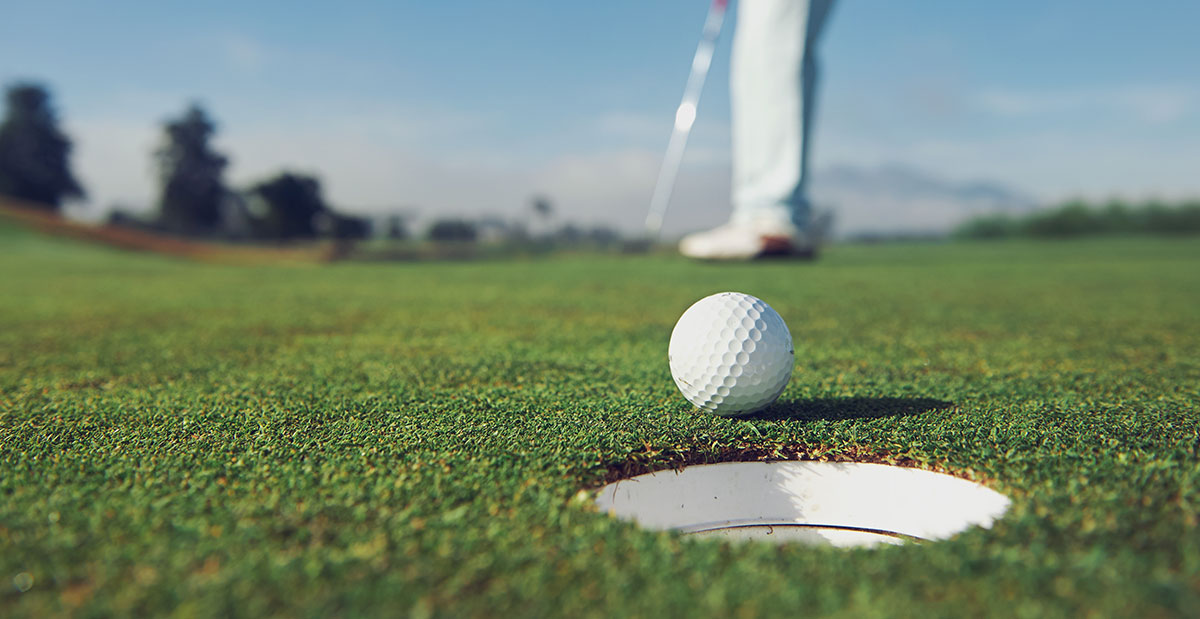
Retirement is a time of transition, but it does not mean slowing down or giving up on the things that bring joy and purpose. For me, sports have been a lifelong passion, and staying active through golf, casual basketball, and even some local track meets has been a key part of enjoying retirement. Staying physically active keeps the body healthy, while staying engaged socially and mentally keeps the mind sharp. Sports provide a perfect balance of all three.
The Physical Benefits of Staying Active
One of the most obvious benefits of staying active in retirement is the physical impact. Golf has been my favorite way to stay moving. Walking the course, swinging clubs, and navigating different terrains is excellent exercise. It builds endurance, strength, and flexibility. Other activities like light basketball games, swimming, or even stretching routines help maintain overall fitness. Staying active reduces the risk of common age-related issues, such as joint stiffness, cardiovascular problems, and loss of muscle mass. Regular activity also supports balance and coordination, which are crucial for maintaining independence as we get older.
The Mental Benefits of Sports
Physical activity is important, but sports also provide mental stimulation. Golf, for example, requires focus, strategy, and patience. Planning each shot, reading greens, and adjusting to changing conditions keeps the mind sharp. I have found that the mental challenge of sports can be just as rewarding as the physical challenge. Staying engaged mentally through sports helps with memory, problem-solving, and concentration, which are important for overall cognitive health. The sense of accomplishment after a good round or a well-executed play also boosts confidence and mood.
Social Engagement Through Sports
Sports in retirement are also an excellent way to stay socially connected. Playing in amateur golf tournaments, joining local leagues, or simply meeting friends for a round of golf or pickup basketball creates opportunities for connection. These interactions keep loneliness at bay and provide a sense of community. Over the years, I have met fellow golfers and athletes who have become friends, travel companions, and sources of support. Social engagement is just as important as physical activity in retirement, and sports provide a natural and enjoyable way to stay connected.
Setting Goals and Challenges
Even in retirement, setting goals keeps life interesting and provides motivation. Participating in amateur tournaments or local competitions offers friendly challenges and personal benchmarks to strive for. Goals can be simple, such as improving a golf score, increasing walking endurance, or mastering a new skill. These challenges give a sense of purpose and accomplishment, reminding us that growth does not stop at retirement. I have found that having goals, even small ones, keeps me disciplined, motivated, and engaged with my activities.
Maintaining Routine and Structure
Sports also help provide routine and structure in retirement. It can be easy to let the days blur together when no longer working a regular schedule. Planning regular rounds of golf, practice sessions, or games establishes a rhythm and purpose to the week. Routine creates stability and helps maintain consistency in physical activity, which is essential for long-term health. Having a plan also makes it easier to stay committed, as opposed to waiting for the motivation to strike spontaneously.
Exploring New Opportunities
Retirement is also a time to explore new sports or activities that were not possible during busy career years. I have tried new courses, joined golf clubs in different states, and occasionally experimented with different recreational sports. Exploring new opportunities keeps life fresh and adds variety to physical activity. Trying new activities can also improve overall fitness, as different sports work different muscles and skills. It is never too late to challenge yourself and discover new interests.
The Joy of Friendly Competition
One of the best parts of staying active through sports is the joy of friendly competition. Competing in amateur golf tournaments or local leagues keeps the experience exciting and rewarding. Friendly competition motivates improvement, encourages strategic thinking, and provides a sense of accomplishment. More importantly, it creates shared experiences with fellow athletes. Competing with others while maintaining respect and sportsmanship is a wonderful way to stay engaged in a meaningful and enjoyable way.
Balancing Health and Fun
While staying active is important, it is equally important to listen to the body and prioritize safety. In retirement, I have learned to balance effort with care, ensuring that I do not push too hard or risk injury. Proper warm-ups, stretching, hydration, and attention to personal limits make activity sustainable. The goal is to enjoy sports and stay healthy, not to strain or cause setbacks. Finding the balance between challenge and enjoyment ensures that sports remain a lifelong source of energy and happiness.
Conclusion
Staying active and engaged in retirement through sports is about more than physical health. It supports mental sharpness, social connection, and personal fulfillment. Activities like golf, basketball, and even light track exercises offer a combination of fitness, mental challenge, and social engagement that keeps retirement vibrant. Setting goals, maintaining routine, exploring new opportunities, and enjoying friendly competition all contribute to a meaningful and rewarding retirement.
For anyone approaching retirement, I encourage finding activities that bring joy, challenge, and connection. Sports have been a constant in my life, providing lessons, memories, and friendships. Staying active through sports in retirement is not only about staying healthy but also about staying engaged, purposeful, and fully enjoying this stage of life.